What the Dinner Table Remembers: The Case for Keeping a Diary of Your Guests Instead of Your Photos
Photo: Jose Sa, CC BY 2.0, via Wikimedia Commons
Somewhere on your phone there are probably forty photos from the last dinner party you hosted. Three of them are decent. One captured the table before anyone sat down. The rest are blurry, mid-chew, or dominated by your friend's uncle's elbow.
Now ask yourself: do those photos tell you what the night actually felt like? Probably not. Which is exactly why a growing number of home cooks and hosts are quietly trading the scrapbook for something older and stranger — a dinner diary.
The Photo Problem With Memories
Here's the thing about photographing a gathering: the camera only sees the table. It can't see your neighbor tear up when someone toasted her new job. It can't hear the twenty-minute argument about whether a hot dog is a sandwich. It has no opinion about the fact that you served the pie slightly frozen in the middle and everyone pretended not to notice.
A written entry catches all of that. It captures the texture of an evening — the parts you'd actually want to relive in five years. When you flip through a photo album, you mostly see proof that people came over. When you read a dinner diary, you remember who they were that night.
What a Dinner Diary Actually Looks Like
The format is gloriously low-stakes. No aesthetic requirements, no flat lays of your charcuterie board. Most people keep it simple: date, guest list, menu, and a few lines about what happened.
A real entry might read like this:
October 12. Dana and Marcus, plus Priya's new boyfriend (quiet, but laughed hard at the mushroom story). Made the braised short ribs from that Smitten Kitchen recipe — four hours, worth it, but do NOT skip the extra 30 minutes next time. Priya brought the same lemon cake she always brings and nobody complained. Marcus accidentally called the cat by his ex's dog's name. We talked until 11:40 about whether they should move to Portland.
That's it. Two minutes of writing. And compare it to the photo: the photo shows short ribs. The entry shows a friendship.
Why This Beats the Scrapbook
There's a practical argument here, too. Photos require you to interrupt the evening — to step out of the host role and into the documentarian role. A dinner diary waits until everyone's gone. It lets you stay in the room.
There's also a honesty problem with photos. We curate them. We pick the shot where the table looks full and the candles are lit. A diary entry can admit that the bread was a disaster, that the conversation hit an awkward lull at 8:15, that you got a little too deep into the wine and a little too deep into politics. That honesty is what makes it worth rereading.
Prompts to Get You Started
If you want to try this after your next gathering, keep it simple. A few questions worth answering:
- Who came, and who almost didn't? (The near-misses are often the story.)
- What dish disappeared first? What dish came back in the same container you sent it home in?
- What was the sentence you'll still be quoting in a year?
- What surprised you about the mix of people?
- What would you do differently — and what would you refuse to change?
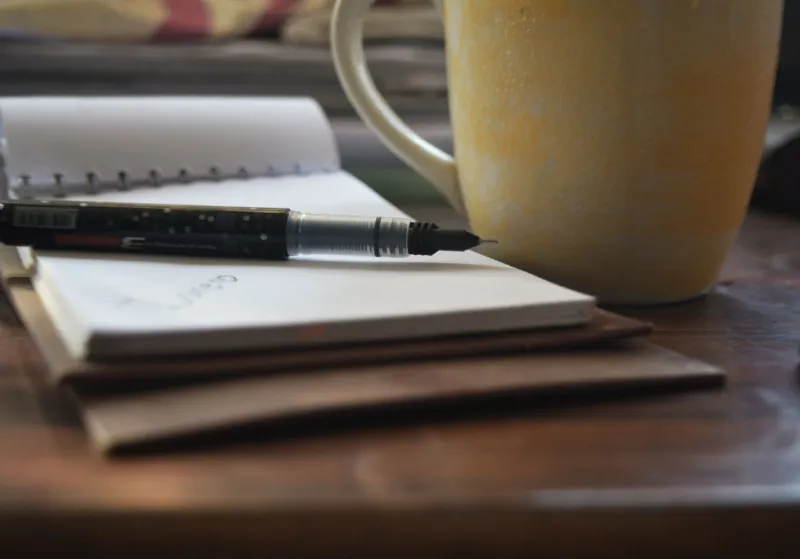
Some hosts keep a dedicated notebook just for this. Others add a page at the back of their regular journal. A few ambitious ones leave the notebook on the table and let guests write a line before they leave — which turns the diary into something closer to a group artifact, a yearbook for your kitchen.
The Long Game
Here's where the practice gets quietly profound. Keep this up for a couple of years and the diary becomes something no photo album can match: a record of your life in relation to other people. You'll watch friendships form across entries. You'll notice the night someone stopped coming. You'll see seasons — the stretch of potlucks during the hard year, the run of celebration dinners after.
Food memories are already the stickiest ones we have. Everyone has a dish that transports them straight back to a grandmother's kitchen or a college apartment. A dinner diary is you deciding, deliberately, which of tonight's memories deserves to stick.
So next time you host, take one photo if you must. But then, after the last dish is dried and the last guest has driven off, spend three minutes with a notebook. Write down what made you laugh. Write down what burned.
The photo will show them what they ate. The diary will show you who they were.