Ticket Stubs and Tan Lines: How to Keep a Travel Journal You'll Actually Reread

Here's a strange fact about memory: you probably can't tell me what you had for lunch last Tuesday, but if I hand you a crumpled ticket stub from a museum you visited in 2016, you can tell me what the weather was like, who you were with, and possibly what you argued about in the gift shop.
That's the quiet superpower of the travel journal. It doesn't just record a trip — it anchors it.
Why Travel Journals Hit Different
A regular journal documents the everyday, and the everyday blurs together. A travel journal documents the unusual, and unusual is what memory is built for. Everything is a first: first look at the Grand Canyon, first time ordering in broken Italian, first hotel bed that turned out to be a futon in disguise.
There's also the ephemerality. Vacations are, by design, temporary. Writing them down is a small act of refusal — a way of saying this mattered, I'm keeping it.
And then there's the physical evidence. Travel journals collect debris by nature: boarding passes, napkins, pressed pennies, receipt from that roadside diner in Utah. A photo is a picture. A glue-sticked subway map is a piece of the trip itself.
Formats That Actually Work
The mistake most people make is bringing a full-size journal and a plan to 'write about the day' every night. By day three, they're behind, guilty, and done. The fix is choosing a format matched to your actual energy level:
The one-line-a-day log. One sentence per day, that's it. 'Rain in Lisbon, best pastry of my life, €3.' Low effort, high recall — one line can unlock an entire afternoon.
The sensory log. Instead of narrating events, record what your senses caught: the smell of the fish market, the sound of the call to prayer, the specific grit of sand in the rental car. Sensory details are what make rereading feel like time travel.
The pocket sketchbook. Even if you 'can't draw' — especially if you can't draw. Ten minutes sketching a doorway forces you to actually see it. The bad drawing will be more vivid than a good photo.
The scrapbook-journal hybrid. Glue stick in the bag, entries built around the ephemera. Write around the ticket stub. Let the stuff do half the storytelling.
The evening ratings page. Too tired for prose? Rate the day: best bite, worst moment, funniest stranger, one thing you'd tell yourself to do differently. Five bullet points, done in two minutes.
Making It Stick Without Making It Work
A few field-tested rules from serial trip-journalers:
- Journal at the table, not the bed. Write at lunch or over a drink while the day is fresh. Bedtime journaling loses to jet lag every time.
- Write in the moment, not after. Waiting in line? That's a journaling window. The details are still live.
- Lower the bar before you leave. Decide in advance that a three-word entry counts. Perfectionism is the number one trip-journal killer.
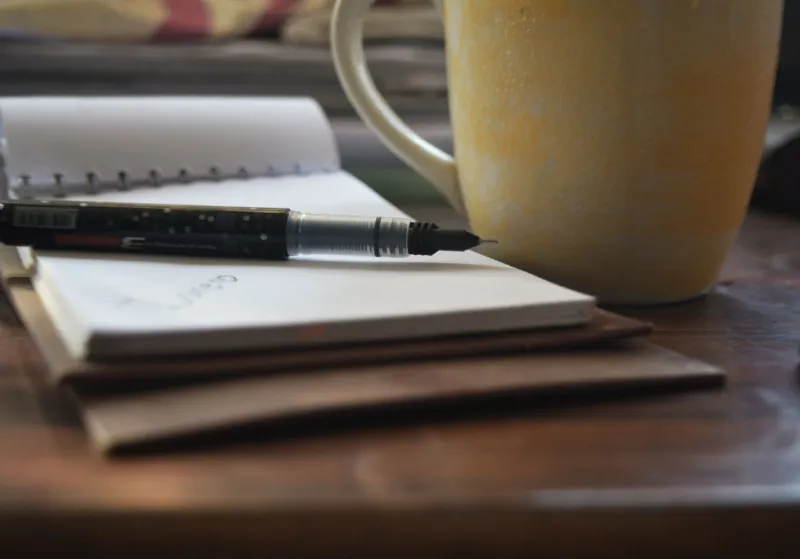
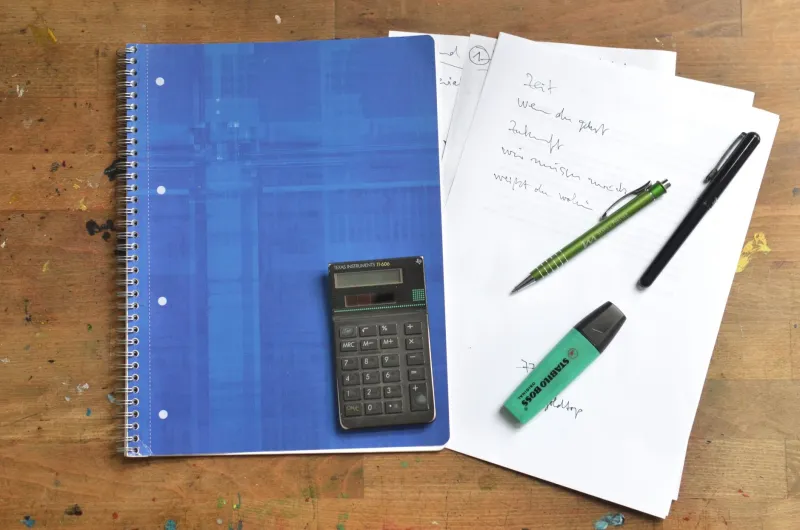
- Pack flat supplies. A pocket notebook, a glue stick, a pen, a small zip pouch for ephemera. That's the whole kit.
The Long Game
Ask anyone who's kept travel journals for years and you'll hear the same thing: these are the books they reach for. Not the daily journals, not the work planners — the trip notebooks. The ones with the wine stain from a rooftop in Barcelona and a note from a stranger in Savannah.
One traveler we heard from described rereading her journal from a road trip with her late father: 'It's just gas station notes and his handwriting on the margins. It's the most valuable thing I own.'
The tan fades. The photos pile up unwatched in the cloud. But the notebook — the messy, glue-sticked, half-finished notebook — only gets better with distance. Pack one. Your future self is the one who'll be grateful, and trust us, she rereads everything.